
Unlock triumphant casino moments through in-depth gambling psychology insights
Understanding the Gambler’s Mindset
Delving into the psychology of gambling reveals a complex interplay of cognitive biases, emotional responses, and behavioral patterns that shape player decisions. Understanding these underlying mechanisms is crucial for anyone seeking to navigate the casino environment with greater awareness. It’s not merely about luck; it’s about how our brains process risk, reward, and potential loss, and for some, this might even extend to how they access certain online platforms, like checking their DK88 login.
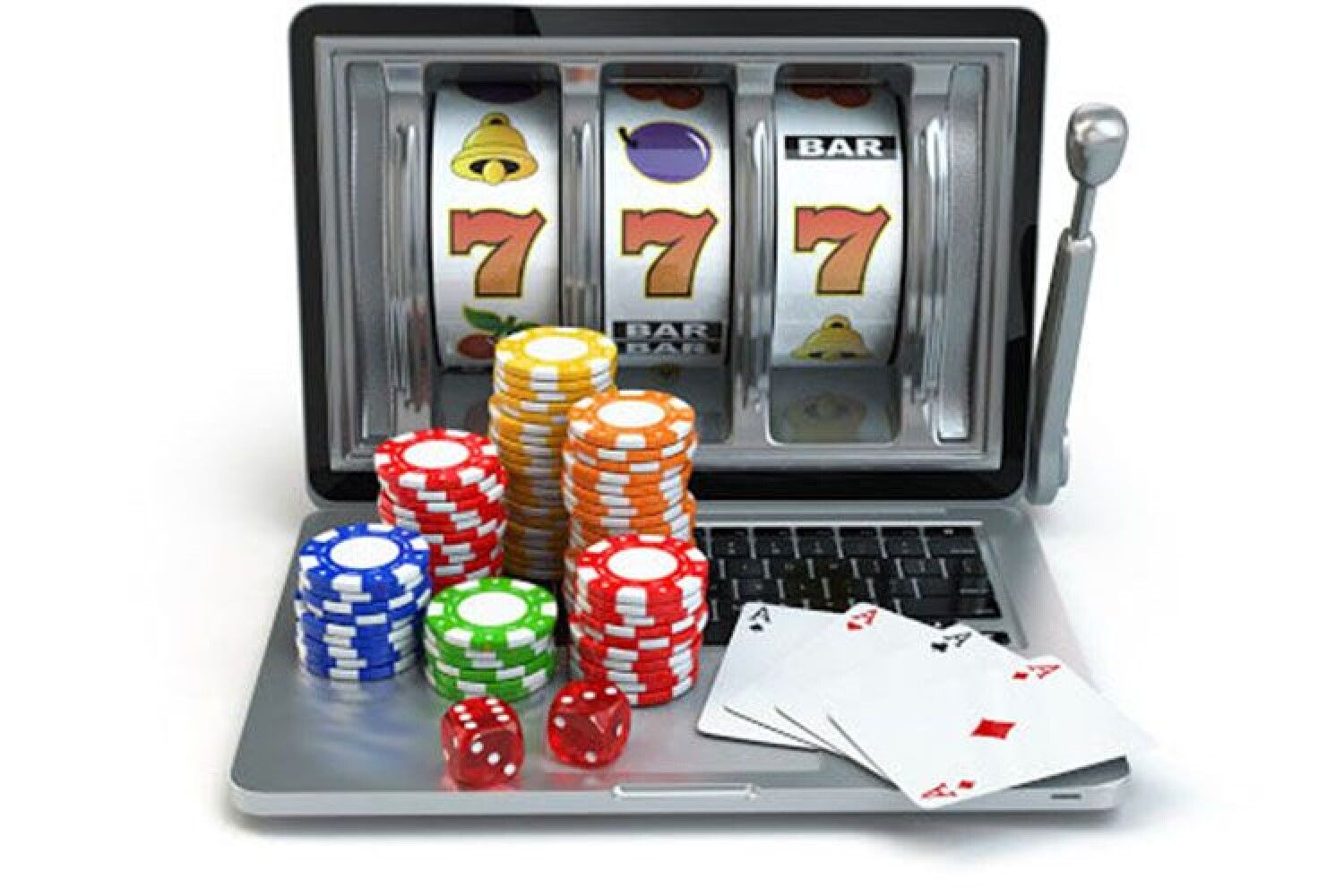
Key psychological factors include the illusion of control, where players may believe they can influence random outcomes, and the gambler’s fallacy, the mistaken belief that past independent events can predict future ones. Recognizing these cognitive traps is the first step towards making more rational choices at the gaming table or slot machine.
The Role of Emotion in Gambling Decisions
Emotions play a significant role in the gambling experience, often driving impulsive behavior or leading to prolonged play. Excitement, frustration, hope, and despair can all influence a player’s judgment, leading them to chase losses or overextend their bankroll. The thrill of a potential win can be intoxicating, while a series of losses can fuel a desperate desire to recoup funds.
Managing these emotional tides is paramount. Developing a strategy to remain calm and objective, regardless of wins or losses, allows for better decision-making. Techniques like setting strict time limits and adhering to a predetermined budget can help mitigate the impact of strong emotions on gambling behavior, ensuring a more controlled and potentially more enjoyable experience.
Cognitive Biases and Their Impact
Various cognitive biases can cloud a gambler’s perception of reality, leading to flawed decision-making. Confirmation bias, for instance, can cause players to focus on wins while downplaying or forgetting losses, reinforcing a belief in their own skill or luck. Overconfidence bias can lead to taking on excessive risks, believing one’s judgment is superior to chance.
The availability heuristic is another bias, where players overestimate the likelihood of winning based on memorable wins they’ve witnessed or experienced, neglecting the statistical reality of unfavorable odds. Awareness of these common biases is essential for fostering a more realistic approach to gambling and avoiding the pitfalls they create.
Developing a Strategic Approach to Play
Moving beyond pure chance requires adopting a strategic approach grounded in an understanding of probability and risk management. This involves setting clear objectives before engaging in gambling activities, such as a specific win target or a loss limit, and sticking to them religiously. A well-defined strategy helps to compartmentalize emotions and prevents impulsive actions.
Furthermore, understanding the house edge in different casino games is fundamental. Players can optimize their chances by choosing games with a lower house edge or by employing strategies where applicable, such as in blackjack. This analytical mindset, combined with emotional discipline, forms the bedrock of responsible and potentially more rewarding gambling.

Exploring Gambling on Myspace Platforms
While Myspace is primarily a social networking site, user-generated content can sometimes touch upon various interests, including discussions or profiles related to gambling. Users like “dk88dk88dk88” on Myspace might create profiles that reflect their hobbies or online activities, which could encompass an interest in casino games or the psychology behind them. Such profiles, though individual, contribute to the diverse tapestry of content found on social platforms.
The presence of profiles or content referencing gambling on a platform like Myspace underscores the widespread interest in this activity. While not a dedicated gambling site, the interactions and content shared by users such as “dk88dk88dk88” can offer a glimpse into how individuals express their engagement with the broader world of gaming and its associated psychological aspects within their online social spheres.